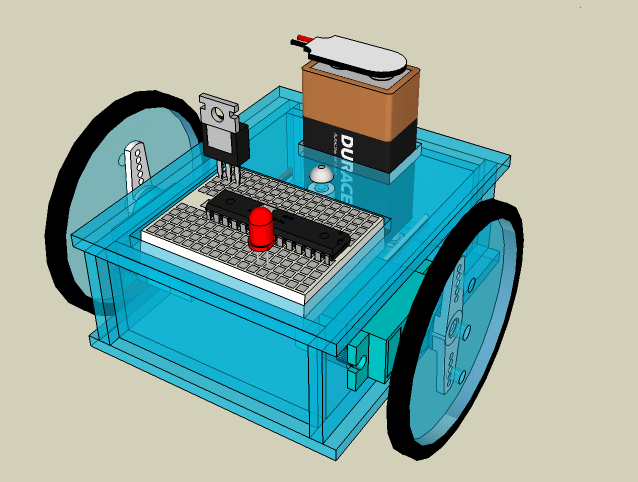
It’s about three inches long by two and a half wide. Driven by two micro servos, controlled by an Atmega328 microcontroller. I think I’m about ready to put in slots and tabs and take it to the laser cutter.
It’s about three inches long by two and a half wide. Driven by two micro servos, controlled by an Atmega328 microcontroller. I think I’m about ready to put in slots and tabs and take it to the laser cutter.
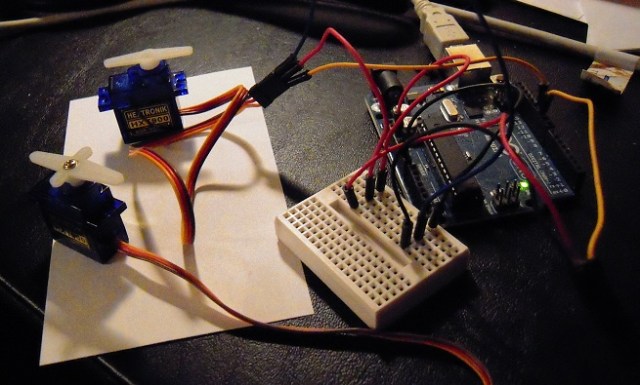
Here are two Hextronik HXT900 microservos which I have modified for continuous rotation. These will provide the propulsion for the latest version of Grisbot.
HXT900s are about the cheapest microservos out there. I’m planning to buy mine at Hobby King for $2.69 each, which is much nicer than the $15 or so that the bigger servos cost.
It took me about half an hour to convert the latest servo, which is way too long. However, I’m getting the hang of it. I think that with a little practice, I can get it down to no more than five minutes per servo.

I have completed the video series on how to use Sketchup to make a molecular molecule of DNA. Here is the Youtube page:
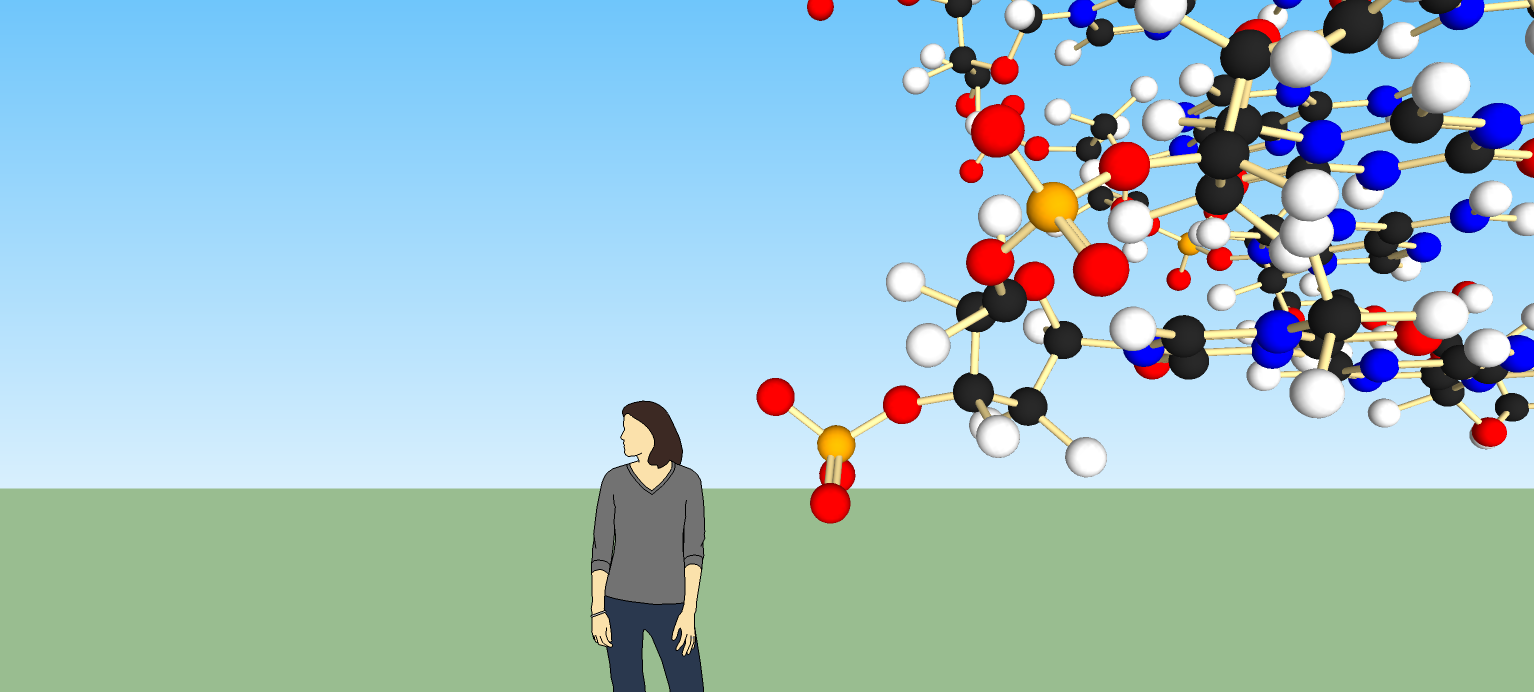
Susan is the generic human model who comes up automatically when the user starts a New file in Sketchup Version 8. I happened to have copied and pasted my latest DNA model to a New file, and there she was, with green ground and blue sky. I thought this scene looked surreally cool.
Notice that my DNA model has all the sticks going into balls now. It’s not perfect, but I think it’s good enough for illustrative purposes.
I hope to finish all the videos in the Youtube Modeling Molecules series within a few more days.

From a distance it looks okay, but alas:
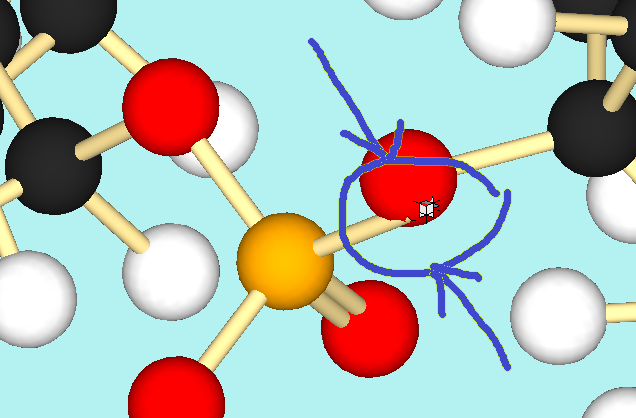
The phosphodiester bond needs a little more twisting. Once I get that done, my DNA will look okay even close up.
Onward! Excelsior! Whatever!
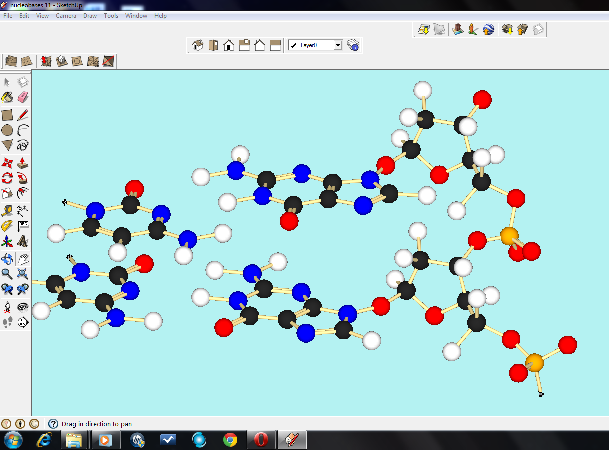
Here’s the first time that I’ve been able to connect two base pairs in the DNA spiral for my modeling molecules project. My method is quite complicated and I’ve had to resort to all kinds of tricks utilizing layers to pull it off, and I’m far from done. I really sense that if it’s this complicated, I must be doing it wrong.
You know what would be cool? If I could just reach into the screen and twist molecules, like they did in the VR lab in Jurassic Park.
Here’s what I have to do instead, with all layers exposed:
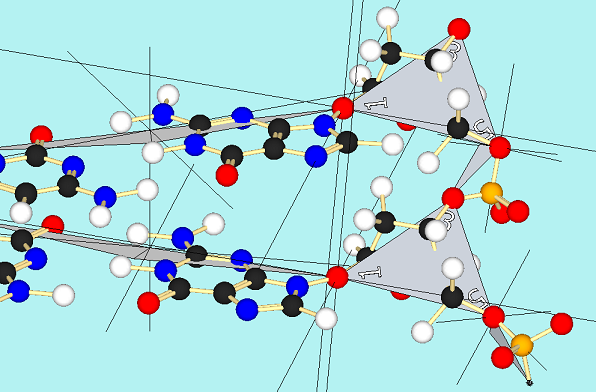
Like I said, it seems way too complicated. But it seems to be working, which is a point in its favor.
Here’s the Raspberry Pi starter kit from Maker Shed:
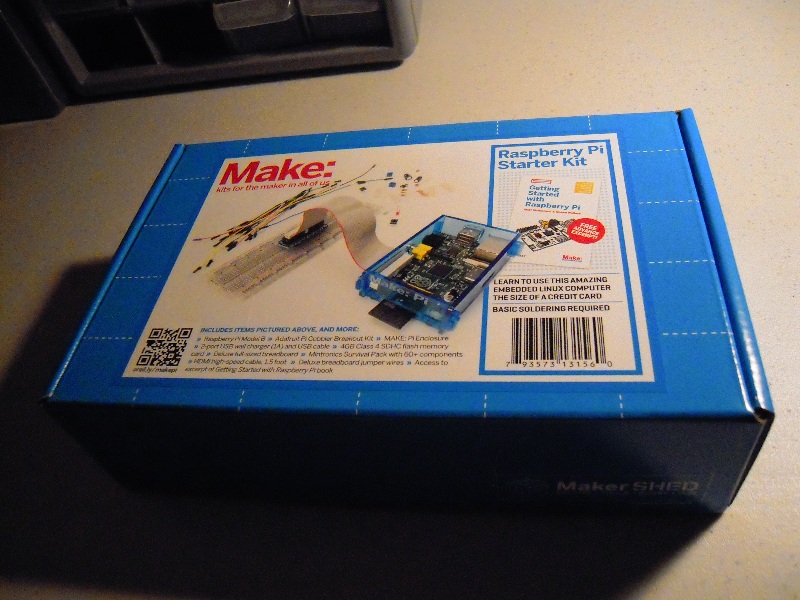


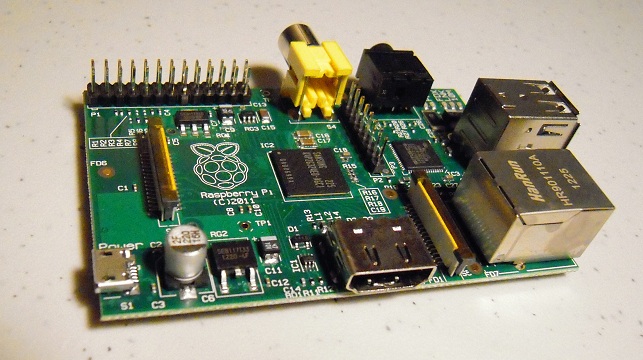
Here’s a size comparison with an Arduino (does not come with kit):

Just as a note: I bought this kit about two weeks ago when it first came out at the full price of $124 and now it’s on sale for $99. Yes, I know, tough nuggies. But it’s hardly a way to stimulate short-term sales if you signal to your customers that if they hold off on buying right away, you’ll cut prices by 20%.
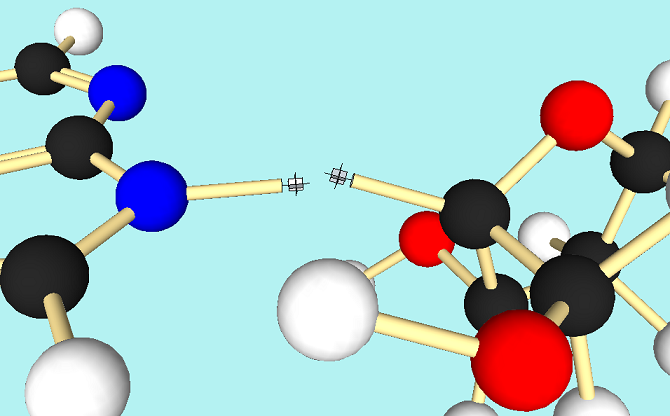
I’ve been working a series of videos called ‘Modeling Molecules,’ the goal of which is to show how to make a ball and stick model of a strand of DNA helix in Sketchup. The above picture shows my progress so far: I’ve got the nucleobases done (left), and now I’m trying to attach a deoxyribose molecule (right). The problem is, how do I line up the molecules so that the bonds are properly oriented in three dimensions?
I’ve got an idea, which I’ll try out tomorrow.
In the meantime, if you’d like to check out the series of videos:
(And yes, I know, Sketchup is no longer owned by Google.)
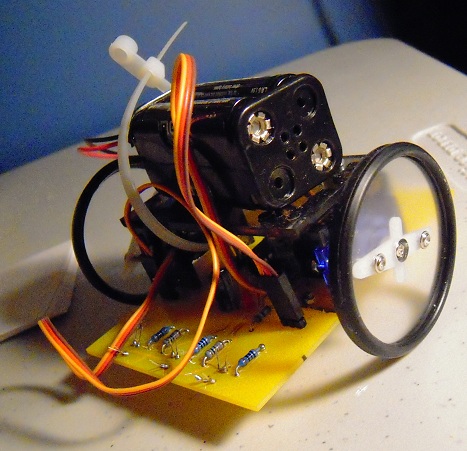
This is the robot that I learned how to make at Metrix Create Space during the robotics class on September 30.
It uses an ATTiny microcontroller and Tower Pro microservos. We learned how to convert the servos from fixed to continuous operation, which I thought was worth the price of the class in itself. The wheels are laser-cut acrylic with automobile thermostat gaskets for the rims.
The yellow board is a custom PCB and there is a very small plastic/nylon ball caster in the back. Facing down in front, beneath the row of resistors, are infrared sensors for line-following.
All in all an interesting design and I learned a lot.

Here is GRIS in Processing, revised to accommodate dual sensor mode communications between the computer and robot. The square on the left flashes data, while the square on the right flashes the clock signal.
Each data bit lasts two frames. The clock alternates from black (0) to gray (1) for each pair of data bit frames. When the robot microprocessor reads a clock 1, it will record the data sensor value. The clock must reset to a 0 bit before the next data sensor value will be recorded.
Separate data and clock lines are common for serial communications and this system should be very robust compared to my previous attempts to synchronize data transmission between the computer and robot with just a single sensor.

